
[ad_1]
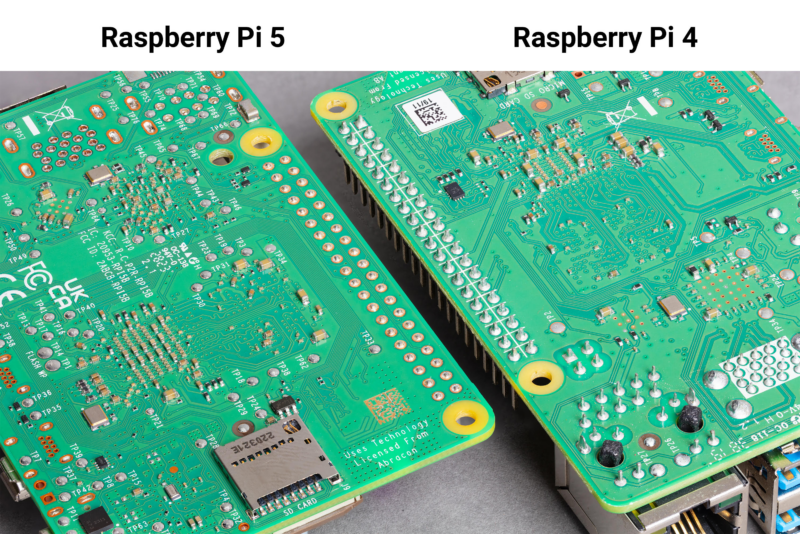
Getting the hang of through-hole soldering is tricky for those of us tinkering at home with our irons, spools, flux, and, sometimes, braids. It’s almost reassuring, then, to learn that through-hole soldering was also a pain for a firm that has made more than 60 million products with it.
Raspberry Pi boards have a combination of surface-mount devices (SMDs) and through-hole bits. SMDs allow for far more tiny chips, resistors, and other bits to be attached to boards by their tiny pins, flat contacts, solder balls, or other connections. For those things that are bigger, or subject to rough forces like clumsy human hands, through-hole soldering is still required, with leads poked through a connective hole and solder applied to connect and join them securely.
The Raspberry Pi board has a 40-pin GPIO header on it that needs through-hole soldering, along with bits like the Ethernet and USB ports. These require robust solder joints, which can’t be done the same way as with SMT (surface-mount technology) tools. “In the early days of Raspberry Pi, these parts were inserted by hand, and later by robotic placement,” writes Roger Thornton, director of applications for Raspberry Pi, in a blog post. The boards then had to go through a follow-up wave soldering step.
Now Pi boards have their tiny bits and bigger pieces soldered at the same time through an intrusive reflow soldering process undertaken with Raspberry Pi’s UK manufacturing partner, Sony. After adjusting component placement, the solder stencil, and the connectors, the board makers could then place and secure all their components in the same stage.
[ad_2]
Source link