ESCAPADE's Earth Flyby: How Twin NASA Probes Reach Mars
NASA's twin ESCAPADE spacecraft have completed powered Earth flybys and are now heading for Mars. Here is how the unusual route works, what it buys, and what is still unknown.
The ideas, people, and products shaping what comes next.
Section
Space missions, computing research and the science behind the next generation of technology.
NASA's twin ESCAPADE spacecraft have completed powered Earth flybys and are now heading for Mars. Here is how the unusual route works, what it buys, and what is still unknown.
Voyager 1, launched in 1977, is about to be one light-day from Earth. Here is what that distance means, how the aging probe is kept alive, and what NASA still does not know.
NASA says its post-flight analysis confirms the Orion heat shield performed as expected on Artemis II, with far less char loss than on the first flight. Here is what that means and what is still being checked.
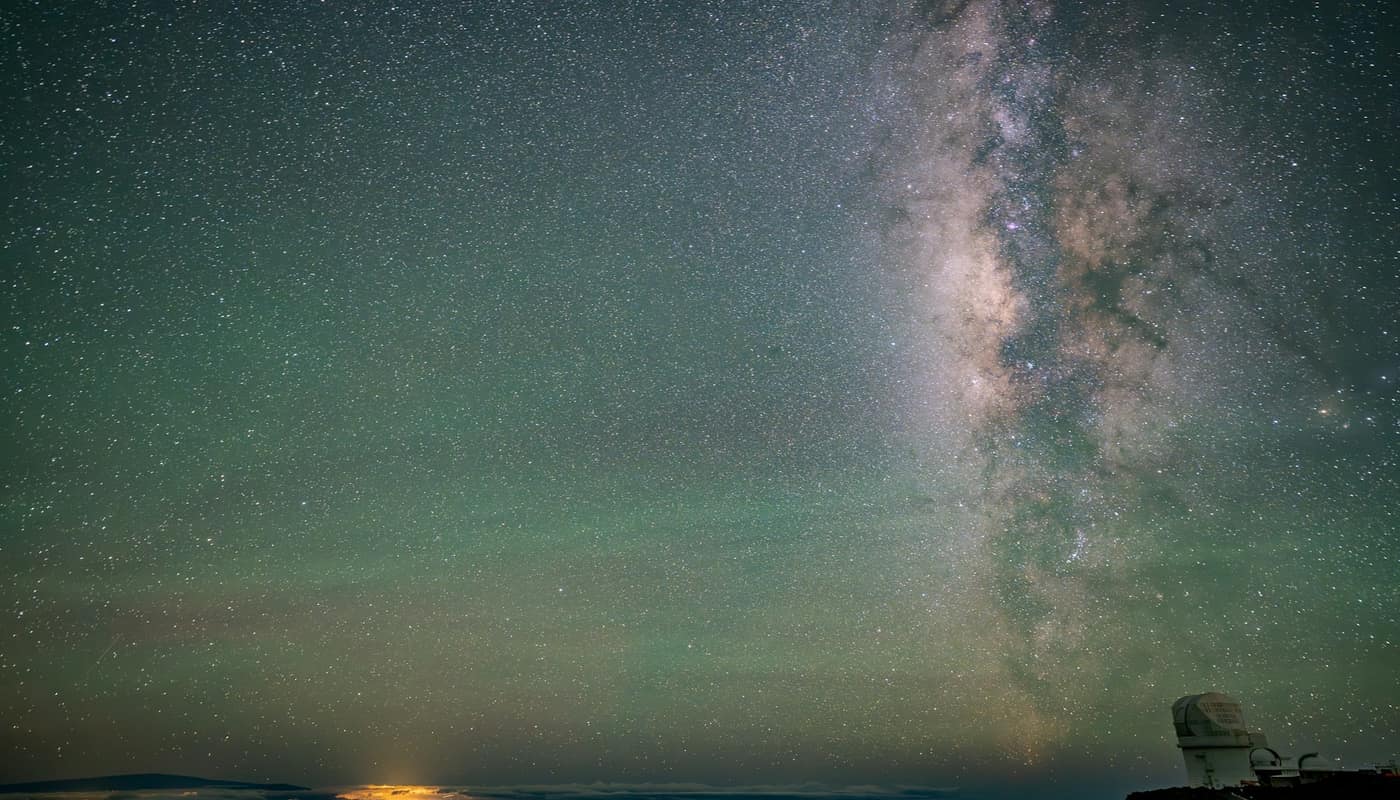
Webb sees the early universe because light takes time to travel and because expansion stretches it into the infrared. NASA explains the mirror, the sunshield and the record-setting galaxies.
Fusion powers the Sun, and researchers want it on Earth. How it works, what the 2022 National Ignition Facility result did and did not show, and what ITER is for.
Quantum computers use qubits to attack certain problems in new ways. What Google's error-correction result shows, what IBM promises for 2029, and why useful advantage is still unproven.
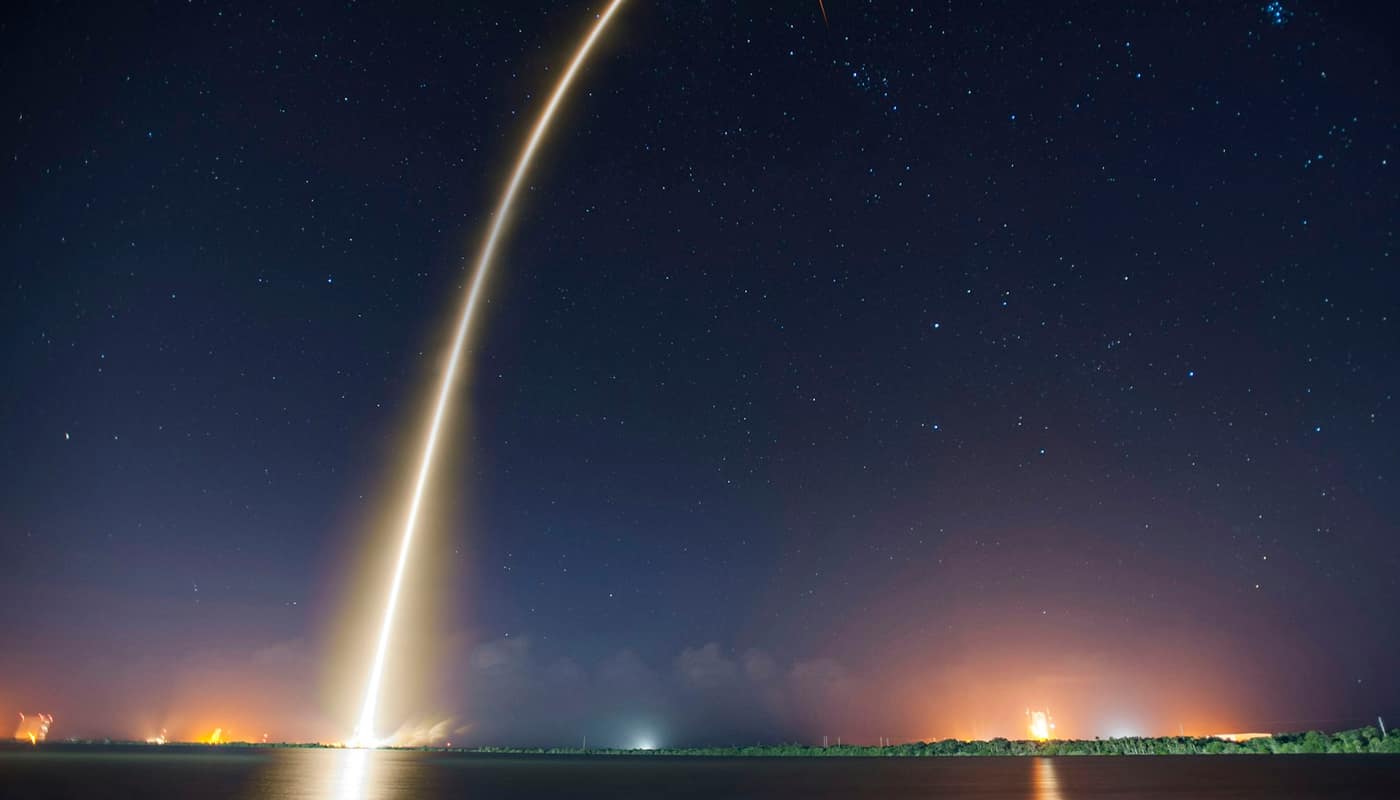
Reusable rockets fly their first stage back to a landing, then fly it again. How a Falcon 9 landing unfolds, how the idea took hold, and what remains unproven.